Angry Emoji: A Designer’s Review for Branded Merch
As an embroidery designer who has spent years digitizing logos and testing files for small business clients, I approach every new machine embroidery design with a critical eye. It is not just about whether the image looks cute on a screen; it is about how it performs under the needle, how it wears after fifty washes, and how it elevates a brand’s identity. Recently, I reviewed the Angry Emoji design, intended for the Family category of Embroidery products. While emojis are often seen as casual or playful, this specific design aims to inject fiery emotion into fashion, serving as a bold statement piece for those wanting to express intensity and passion. Here is my professional assessment of how this design fits into the ecosystem of small business merchandise and branded patch production.
First Impressions: Boldness Over Subtlety
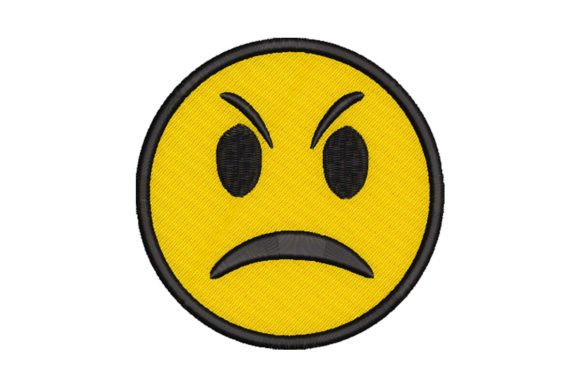
The immediate visual impact of the Angry Emoji is undeniably strong. In a market saturated with soft, pastel, and minimalist aesthetics, this design leans into high contrast and expressive features. For a boutique owner or a creative studio looking to stand out, this emotional resonance can be a powerful tool. It does not whisper; it shouts. This makes it less suitable for corporate uniforms that require understated elegance, but perfect for brands that thrive on personality, humor, or edgy streetwear vibes. The design feels modern and decorative, leveraging the universal language of digital communication to create a tangible, textured handmade product.
Real-World Applications for Small Business Merch
When evaluating a digital embroidery file for commercial use, I always map out potential applications. The versatility of the Angry Emoji allows it to function across various mediums, provided the execution is precise.
- Embroidered Patches: This is perhaps the strongest use case. An angry face works exceptionally well as an iron-on or sew-on patch for denim jackets, backpacks, and hats. Patches allow for higher stitch density without worrying about fabric puckering, ensuring the facial features remain crisp and defined.
- Cap Embroidery: Placing this design on the front panel of a baseball cap can create a striking look. However, the curved surface of a cap requires careful digitizing to prevent distortion. The bold lines of the emoji help maintain visibility even when the fabric curves away from the viewer.
- Tote Bag Design: Canvas tote bags are a staple for cafes, bookstores, and florists. Adding an Angry Emoji as a central motif or a corner accent adds a layer of irony and fun to an otherwise utilitarian item. It transforms a simple bag into a conversation starter.
- Apron Embroidery: For bakeries or coffee shops with a rebellious or humorous brand voice, embroidering this emoji on staff aprons can humanize the team and engage customers. It suggests a brand that doesn’t take itself too seriously.
- Custom Apparel: On hoodies or t-shirts, this design serves as a chest logo accent or a sleeve detail. It appeals to a younger demographic that values self-expression and intensity in their wardrobe choices.
Navigating Technical Challenges and Fabric Constraints
While the concept is strong, the technical execution of the Angry Emoji requires attention to detail. As a designer, I advise caution in several areas to ensure the finished product meets professional standards.
Stitch Density and Fabric Texture: Emojis often rely on solid fills to convey color blocks. If the stitch density is too high on lightweight fabrics, the material may pucker or tear. I recommend testing this design on medium-to-heavy weight fabrics like denim, canvas, or twill. For lighter materials, a cut-away stabilizer is non-negotiable to support the weight of the threads.
Small Patch Sizes: When scaling down for small patches or pocket logos, fine details can get lost. The eyes and mouth of the angry emoji must remain distinct. If the design includes intricate outlines, they may merge at smaller sizes. Always request a test run at the intended size before committing to a large production batch.
Thread Colors and Contrast: The success of this design hinges on thread colors. The classic yellow face with black features is iconic, but ensure your thread library has vibrant, colorfast yellows. On dark uniforms or navy caps, you may need to add a white underlay or border to make the emoji pop, preventing it from blending into the background.
Impact on Brand Identity and Customer Trust
Integrating the Angry Emoji into your brand identity sends a specific message. It signals authenticity and emotional range. For Etsy sellers and craft businesses, using such a recognizable symbol can boost buyer engagement because it taps into shared cultural knowledge. However, professionalism is key. A poorly stitched emoji looks amateurish and can damage customer trust. A clean, well-digitized version, however, enhances perceived value. It shows that the brand is current, relatable, and invested in quality design assets.
Consistency is crucial. If this emoji is part of a larger collection of emotional icons, ensure the stitch style and scale match across all items. This visual consistency helps in building recognition, making your small business merch instantly identifiable on social media and in physical stores.
Practical Designer Notes for Production
Before you load this embroidery file into your machine for a client order, follow these practical steps to mitigate risk and ensure quality:
- Test in Black and White First: Print or stitch a monochrome version to check the clarity of the shapes. If the expression is lost without color, the digitizing may need adjustment.
- Check Hoop Size Compatibility: Confirm that the design fits within your standard hoop size without requiring excessive re-hooping, which can lead to misalignment.
- Create a Printable Mockup: Use software to place the design on photos of actual products. Share this printable mockup with clients for approval before stitching. This manages expectations and reduces revision requests.
- Verify Commercial Licensing: The product description mentions it is a bold statement piece, but it does not explicitly detail license terms. Always confirm that the digital embroidery file comes with a commercial license allowing you to sell physical items made with the design. Never assume; always read the fine print.
- Inspect Spacing and Jump Stitches: Review the file in your embroidery software to minimize jump stitches and trim points. Efficient pathing saves time and thread, improving your profit margin on commercial embroidery jobs.
Final Verdict
The Angry Emoji is a potent addition to a designer’s library, particularly for brands targeting a youthful, expressive audience. It transcends the typical boundaries of the Family category, offering a versatile tool for custom apparel, accessories, and promotional items. While it demands careful handling regarding stitch density and fabric choice, its potential for creating engaging, high-impact merchandise is significant. By treating it with the technical respect it deserves—prioritizing stabilizer choice, thread quality, and proper sizing—you can transform a simple emoji into a premium brand asset that resonates with customers and drives sales.