Red Truck: A Designer’s Review for Small Business Merch
As an embroidery designer who has spent years digitizing logos and reviewing commercial files for small business owners, I approach every new machine embroidery design with a critical eye. It is not just about whether the art looks cute on a screen; it is about how that art translates into thread, fabric, and ultimately, brand value. Recently, I reviewed the Red Truck design, a file that promises nostalgic charm and whimsical appeal. For boutique owners, Etsy sellers, and apparel decorators, understanding the practical application of this design is crucial before adding it to your product line.
First Impressions: Visual Personality and Brand Fit
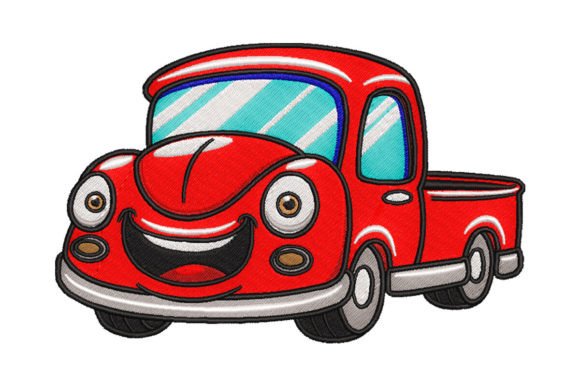
The Red Truck immediately strikes a chord of familiarity. The description highlights a "whimsical, classic red truck" that evokes memories of simpler times. From a design perspective, this suggests a rustic, friendly, and approachable aesthetic. It does not scream high-tech or corporate minimalism; instead, it leans heavily into the handmade, cozy, and traditional vibe. This visual personality is a powerful asset for specific niches. If you are running a bakery, a florist shop, a pet brand, or a local café, this design aligns perfectly with a brand identity that values warmth and community connection.
However, for businesses aiming for a sleek, ultra-modern, or luxury minimalist look, this design might feel too playful. It is essential to match the thread colors and the style of the truck with your existing design assets. The nostalgia factor is its strongest selling point, making it an excellent choice for seasonal campaigns, holiday merchandise, or brands that want to appear established and trustworthy through classic imagery.
Real-World Applications for Small Business Merch
When evaluating a digital embroidery file for commercial use, I always ask: where does this live best? The Red Truck is versatile, but it shines in specific applications. Here is how I envision this design performing in a real business scenario:
- Embroidered Patches: This is perhaps the strongest use case. A patch allows for controlled stitching and can be applied to various items later. The classic truck shape works well within circular or shield-shaped patch borders, creating a collectible item for customers.
- Apron Embroidery: For bakeries, florists, or craft studios, embroidering this truck on the chest pocket of a staff apron adds a touch of personality. It reinforces the "handmade" ethos of the business while keeping the uniform professional yet friendly.
- Tote Bag Design: Canvas tote bags are a staple for retail shops. Placing the Red Truck centrally on a natural-colored canvas bag creates a charming, eco-friendly vibe that customers love to reuse, effectively turning them into walking billboards for your brand.
- Cap Embroidery: A small version of the truck on the side panel or front of a dad hat can serve as a subtle brand mark. However, curvature is a challenge here, which leads to my technical notes below.
- Customer Gifts and Event Merch: Use this design on limited-edition items for local markets or as a thank-you gift for loyal customers. It feels personal and thoughtful, enhancing customer trust and engagement.
Technical Considerations and Production Challenges
While the aesthetic is appealing, the execution requires careful planning. As a designer, I must warn against assuming any file will stitch out perfectly without testing. Here are the critical technical factors to consider when using the Red Truck for commercial embroidery:
Stitch Density and Fabric Texture
Nostalgic designs often feature solid fills to create a bold, cartoon-like appearance. High stitch density can cause puckering, especially on lighter fabrics like those used in Babies clothing or delicate tote bags. If you are using this design on textured fabric, such as terry cloth towels or heavy denim, you must adjust your tension and stabilizer accordingly. Always test on a scrap piece of your actual production fabric before committing to a full run.
Hoop Size and Placement
Check the specified hoop size for the file. If the design is large, it may require a 5x7 or larger hoop, which limits the items you can embroider. For smaller items like baby bibs or cap fronts, ensure the design scales down without losing detail. Tiny details in the truck’s windows or wheels may merge or break if the design is reduced too much. If the file does not specify multiple sizes, you may need to request different formats from the provider.
Stabilizer Selection
The choice of stabilizer can make or break the finished product. For stretchy fabrics like t-shirts, a cut-away stabilizer is non-negotiable to prevent distortion. For woven fabrics like canvas or twill, a tear-away might suffice, but a light fusible backing can help maintain the crispness of the truck’s lines. Never skip this step, as poor stabilization leads to a sloppy appearance that undermines brand identity.
Enhancing Brand Identity and Customer Trust
In the world of small business merch, consistency is key. The Red Truck should not exist in a vacuum. It needs to complement your logo, color palette, and overall messaging. When used correctly, it adds a layer of emotional connection. Customers are not just buying a hat or a bag; they are buying into the feeling of nostalgia and simplicity that the truck represents. This emotional resonance can increase perceived value, allowing you to price your custom apparel and accessories at a premium.
Moreover, using high-quality embroidery signals professionalism. A well-stitched Red Truck shows attention to detail. Conversely, loose threads, poor registration, or fabric puckering can damage your reputation. Always create a printable mockup or a physical sample for client approval if you are doing bespoke work. This ensures that the embroidery file meets the client's expectations for their brand identity.
Practical Designer Notes for Implementation
Before you load this design into your machine for a production run, follow these steps to ensure success:
- Test in Black and White First: Stitch out the design using only black thread on white fabric. This helps you see the structure and density without the distraction of color. It reveals if there are too many jumps or if the underlay is sufficient.
- Check Thread Color Contrast: The classic red truck needs a contrasting background. Ensure your fabric color makes the red pop. Avoid stitching red on dark maroon or bright orange fabrics where the design might get lost.
- Verify Commercial Licensing: This is critical. Confirm that the digital embroidery file comes with a commercial license that allows you to sell physical products featuring the design. Do not assume; read the terms.
- Inspect Spacing and Detail: Zoom in on the digitized file. Are the stitches too close together? Is there adequate spacing between color blocks? Poor digitizing can lead to thread breaks and machine jams.
- Create a Mockup: Use digital tools to place the Red Truck on images of your actual products. This helps you visualize scale and placement before wasting thread and fabric.
In conclusion, the Red Truck is a charming addition to your library of design assets, particularly for businesses targeting a rustic, family-friendly, or nostalgic market. It performs exceptionally well on patches, aprons, and tote bags, offering a tangible connection to your brand. However, success lies in the details: proper stabilization, careful fabric selection, and rigorous testing. By treating this design with the professional scrutiny it deserves, you can transform a simple whimsical image into a powerful tool for building brand identity and driving sales in your handmade product line.