July Embroidery Design Review for Small Business Merch
As an embroidery designer who has spent years digitizing and testing files for commercial use, I approach every new machine embroidery design with a critical eye. It is not just about whether a pattern looks pretty on a screen; it is about how it performs in the real world of small business merchandise. Recently, I reviewed the July design, a month-themed asset that promises to elevate branded projects. For shop owners, Etsy sellers, and apparel decorators, understanding the practical application of such a design is crucial before adding it to your digital library.
First Impressions: Visual Personality and Brand Fit
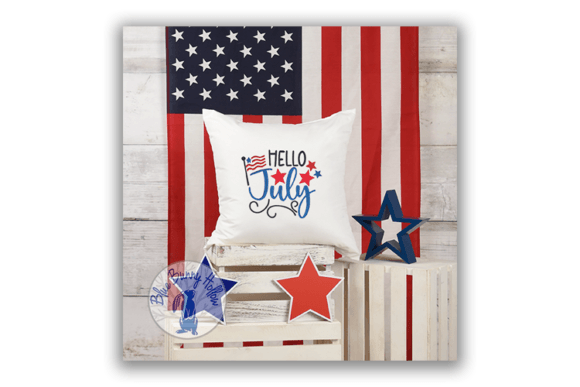
The July design immediately strikes a balance between celebratory and professional. Given its categorization under Independence Day, one might expect overly patriotic or chaotic elements. However, the essence captured here feels more refined. It resonates with a sense of summer warmth and national pride without being kitschy. For a boutique or a creative studio, this visual personality is versatile. It feels friendly yet polished, making it suitable for brands that want to appear approachable but high-quality.
When evaluating the aesthetic, I look for clarity. Does the design hold its shape? In the case of July, the lines appear clean, suggesting that the digitizer prioritized stitch flow. This is vital for maintaining a premium look on finished products. A messy or overly dense design can ruin the perception of a handmade product, turning what should be a value-add into a distraction. This design seems to avoid those pitfalls, offering a classic feel that can anchor a seasonal collection.
Real-World Applications for Small Business Merch
The true test of any embroidery file is its versatility across different substrates. For small business owners, the ability to repurpose one design across multiple product lines is key to maximizing ROI. Here is how July performs in various commercial scenarios:
- Embroidered Patches: This is perhaps the strongest use case. The design’s structure lends itself well to being cut out as a patch. Patches are low-risk inventory for cafes and boutiques because they can be applied to existing stock. A July patch can be sewn onto denim jackets, canvas bags, or even used as a limited-edition add-on for customer gifts.
- Staff Uniforms and Aprons: For bakeries, florists, or local cafes, seasonal staff apparel boosts team morale and brand visibility. Embroidering July on the chest pocket of an apron or the sleeve of a work shirt adds a subtle touch of seasonal relevance. It shows customers that the business is current and engaged with the calendar, enhancing the overall customer experience.
- Cap Embroidery: Headwear is a staple of promotional merch. The design works well on the front panel of a structured cap. However, curvature is a factor. The design must be scaled correctly to avoid distortion on the curved surface. When done right, it becomes a wearable advertisement for your brand or a trendy item for retail.
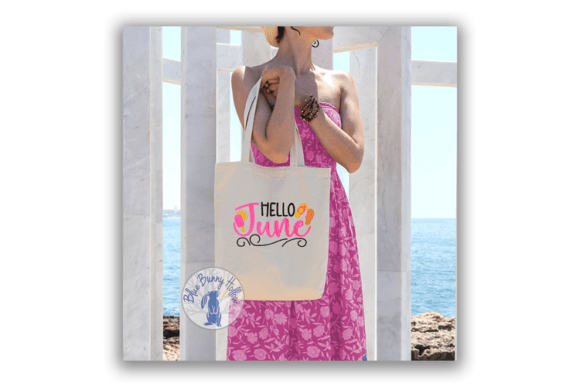
- Tote Bag Design: Canvas totes are popular for eco-conscious brands. Placing the July motif on a tote bag creates a functional piece of art. It is particularly effective for farmers' markets or summer events, where the theme aligns perfectly with the outdoor, community-focused atmosphere.
Technical Considerations and Production Challenges
While the aesthetic appeal is strong, technical execution is where many designs fail. As a designer, I must warn against blind production. You must consider stitch density and fabric interaction. If the July design has high stitch density, it may pucker lightweight fabrics like thin cotton t-shirts. In such cases, using a proper stabilizer is non-negotiable. A cut-away stabilizer might be necessary for garments that will undergo frequent washing, ensuring the design remains intact and flat.
Another critical area is size. If you intend to use this as a small logo accent, you must check the legibility of any fine details. Tiny lettering or intricate outlines can merge together when scaled down, especially on textured fabrics like towels or heavy denim. Always run a test stitch-out on the actual material you plan to use. Fabric texture plays a huge role in the final appearance. A smooth polo shirt will render the design differently than a rough canvas tote.
Additionally, consider thread color contrast. If you are embroidering on dark uniforms, ensure you have a solid underlay or use lighter thread colors to make the July design pop. Poor contrast can render the design invisible from a distance, defeating the purpose of branding.
Impact on Brand Identity and Customer Trust
Consistency is the cornerstone of brand identity. Using a cohesive set of design assets, including seasonal motifs like July, helps build recognition. When customers see high-quality embroidery on your packaging, apparel, or merchandise, it signals professionalism. It tells them that you care about the details. This perception of quality directly influences buyer engagement and trust.
For Etsy sellers and handmade brands, the finished product is your primary marketing tool. A well-executed July embroidery can be featured in printable mockups and social media content, driving interest in your broader collection. It serves as a visual hook that draws people in, encouraging them to explore other items in your shop. Furthermore, limited-time seasonal items create urgency, boosting sales during specific periods.
Practical Designer Notes for Commercial Use
Before you load this digital embroidery file into your machine for a large batch, follow these practical steps to ensure success:
- Test in Black and White: Before committing to colorful threads, stitch the design in black thread on white fabric. This reveals the structural integrity of the digitizing without the distraction of color. If it looks good in monochrome, it will likely look great in color.
- Verify Hoop Size: Check the dimensions of the July design against your machine’s hoop capabilities. Ensure it fits comfortably within your standard hoops to avoid re-hooping issues during production.
- Review Commercial Licensing: Never assume a file is free for commercial use. Confirm the license terms associated with this embroidery file. Most designers allow small business use, but some restrict mass production or require attribution. Protect your business by staying compliant.
- Create a Mockup: Use software to place the design on virtual products. This helps you visualize scale and placement before wasting thread and fabric. It is also a valuable asset for client approval if you are doing custom work.
- Compare with Other Assets: Place July beside your existing logo and other design assets. Does it complement your brand’s visual language? Consistency across all touchpoints strengthens your brand identity.
In conclusion, the July embroidery design offers significant potential for small business merchandise. Whether used for Independence Day promotions, summer collections, or year-round branded patches, its value lies in its execution. By paying attention to technical details like stabilizer choice, fabric texture, and stitch density, you can transform this digital asset into a tangible driver of brand loyalty and sales. Always prioritize quality control, and let your embroidery speak to the professionalism of your business.