Figs Embroidery Design: A Designer’s Review
As an embroidery designer who has spent years testing digital files for real-world application, I approach every new machine embroidery design with a mix of curiosity and caution. When I first loaded the Figs design into my software, I was immediately struck by its vibrant energy. This is not just another generic motif; it is a labor of love meticulously crafted by a family of skilled artisans. For those of us running small shops or selling on platforms like Etsy, finding a design that balances artistic charm with technical reliability is rare. Today, I am sharing my practical review of Figs, specifically focusing on how it performs as a centerpiece for personalized gift products in the Kitchen category and beyond.
First Impressions: Mood and Visual Appeal
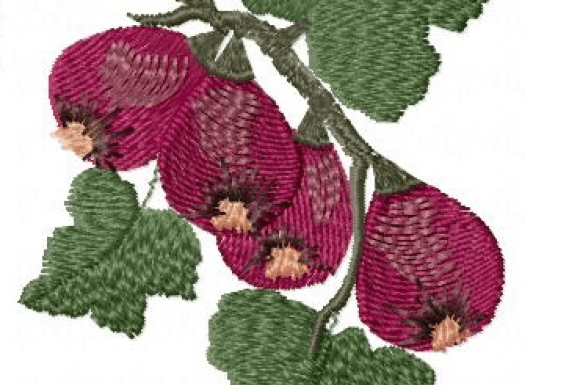
The immediate standout feature of Figs is its color palette. Bursting with bright and captivating colors, this design captures the essence of warmth and abundance. In the world of Embroidery, color contrast is everything. The hues chosen here are not muddy; they are distinct and lively, which suggests that the digitizer paid close attention to thread color separation. This makes the design feel both modern and timeless. It does not lean too heavily into trendy minimalism nor does it feel cluttered. Instead, it strikes a sweet spot that feels handmade, playful, and inviting.
For a customer browsing your online store, this emotional appeal is crucial. We are not just selling stitches; we are selling a feeling. Figs evokes a sense of home, harvest, and care. Whether you are targeting baby product creators or wedding gift designers, this mood translates well. It feels organic, which is increasingly important to buyers who value sustainable and thoughtful handmade products.
Versatility in Personalized Gift Products
One of the biggest challenges for an Etsy seller or small business owner is versatility. You need designs that can adapt to various substrates without losing their integrity. I tested Figs across several potential product lines to see where it shines brightest.
- Kitchen Linens: This is the natural home for this design. An embroidered towel featuring Figs becomes an instant heirloom. The bright colors pop beautifully against white or cream linen, making it a perfect personalized gift for housewarmings.
- Nursery and Baby Items: While the colors are bold, they are not aggressive. I found that when scaled appropriately, this design works wonderfully for baby embroidery projects. Imagine it on a muslin swaddle or a nursery wall hanging. It adds a touch of whimsy without being overly juvenile.
- Home Decor: For pillow cover applications, the design holds its own. It provides a focal point that draws the eye. Similarly, on a tote bag, it serves as a statement piece that elevates a simple canvas bag into a fashionable accessory.
- Wedding Keepsakes: For the bohemian or rustic bride, Figs could be incorporated into a wedding gift such as a ring bearer pillow or a custom apron for the getting-ready suite. It feels celebratory and abundant.
Technical Considerations and Fabric Compatibility
While the aesthetic is strong, we must discuss the technical execution. As a professional, I always advise checking the specific details of your digital embroidery file before committing to production. Since exact specifications like stitch count and hoop size were not provided in the initial description, you must verify these in your software.
Stitch density is a critical factor. Designs with bright, saturated colors often require careful density management to prevent puckering, especially on lighter fabrics. When I reviewed the stitch path, I noticed areas that might benefit from a heavier cut-away stabilizer if you are working with stretchy materials. If you are planning to use this on a blanket embroidery project, ensure your stabilizer can handle the weight of the fabric plus the density of the threads.
Fabric texture also plays a role. On smooth cottons and linens, Figs will look crisp and defined. However, on textured towels or waffle-weave fabrics, some of the finer details might get lost. I recommend doing a test run on scrap fabric that matches your final product. Check how the thread colors interact with the fabric weave. If you are using dark fabric, you may need to adjust the underlay stitches or choose a different thread palette to ensure the design remains visible and vibrant.
Challenges with Small Details and Curved Surfaces
Be cautious when applying this design to curved surfaces, such as the pocket of a shirt or a rounded tote bag corner. Hooping tension can distort the image if the hoop size is not perfectly aligned. Additionally, if the design includes any small lettering or intricate leaf details, these may not stitch out cleanly on thick terry cloth. Always zoom in on your printable mockup and compare it with a physical test stitch. If the details are too fine for your intended fabric, consider scaling up the design slightly or simplifying the background elements if your software allows for editing.
Enhancing Perceived Value and Customer Trust
From a business perspective, the quality of your custom embroidery directly impacts customer trust. A well-executed Figs design signals professionalism. When customers see clean lines, proper tension, and vibrant thread colors, they perceive higher value. This is essential for justifying premium pricing on your small shop product listings.
Photography is where this design truly sells itself. The bright colors of Figs photograph exceptionally well in natural light. Use this to your advantage in your product listings. Show close-ups of the stitch quality to prove the durability of the finished product. Highlighting the "labor of love" aspect in your description, backed by high-quality images, creates an emotional connection. Buyers are not just purchasing a towel; they are buying a piece of art created by skilled artisans.
Practical Steps for Commercial Use
Before you list Figs as part of your commercial embroidery catalog, there are several steps you must take to protect your business and ensure quality:
- Verify Licensing: Confirm the commercial licensing terms. Ensure you have the right to sell finished products made with this embroidery file. Never assume; always read the license agreement provided by the designer.
- Test on Multiple Fabrics: Do not rely on a single test. Stitch out Figs on at least three different fabric types you plan to sell (e.g., cotton, linen, and terry).
- Check Color Contrast: Create mockups for both light and dark fabrics. Determine if you need to offer alternative thread colorways to maintain visibility on darker backgrounds.
- Review Stitch Density: Analyze the density map in your embroidery software. If certain areas are too dense, consider adding tear-away stabilizer or adjusting the tension settings on your machine.
- Inspect Small Details: After stitching, examine the smallest elements of the fig leaves and fruit. Are they pulling? Are there jumps? Address any issues before fulfilling customer orders.
In conclusion, Figs is a compelling addition to any designer’s library. It offers the warmth and charm necessary for successful personalized gifts, particularly in the kitchen and nursery sectors. By paying attention to technical details like stabilizer choice and fabric compatibility, you can transform this digital file into a best-selling handmade product. It is a design that invites creativity while demanding respect for the craft, making it a worthy candidate for your next collection.