Dino Embroidery Design Review for Small Business Merch
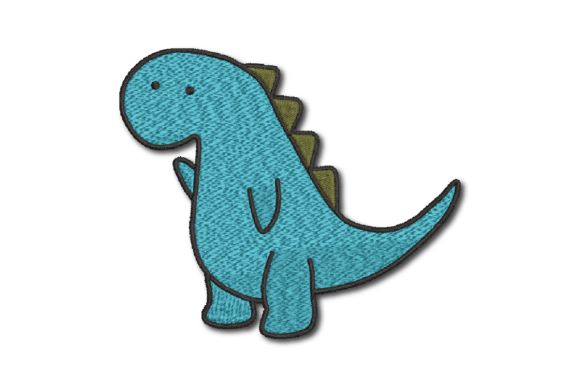
As an embroidery designer who has spent years digitizing and testing patterns for commercial use, I approach every new machine embroidery design with a critical eye. It is not just about whether the image looks cute on a screen; it is about how it performs on fabric, how it holds up in the wash, and how it elevates a brand’s identity. Recently, I reviewed the Dino design, a piece categorized under Dinosaurs, intended to enhance the appearance of exquisite embroidery creations. For small business owners, Etsy sellers, and apparel decorators, understanding the practical application of this digital embroidery file is crucial before adding it to your product line.
First Impressions: Visual Personality and Brand Fit
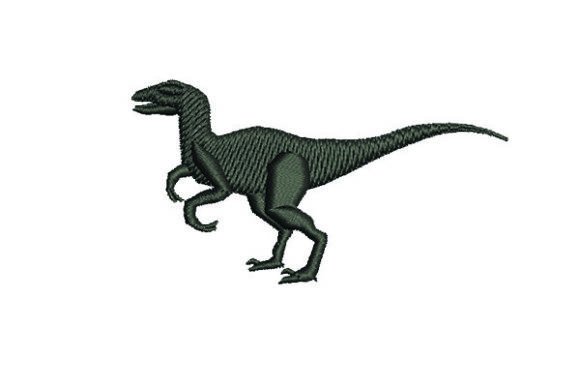
The first thing that strikes me about the Dino design is its versatility. While the category suggests a prehistoric theme, the execution feels less like a cartoonish novelty and more like a stylized, modern graphic. This distinction is vital for branding. A design that is too playful might limit you to children’s clothing, but a design with clean lines and balanced proportions can work across various demographics. The description notes that this is a "flawless decorating technique," which implies a focus on aesthetic enhancement rather than just basic coverage.
For a boutique, creative studio, or even a local bakery looking to add character to their staff uniforms, Dino offers a friendly yet professional vibe. It does not scream "costume party"; instead, it whispers "creative flair." This subtle difference allows businesses to incorporate the motif into custom apparel without sacrificing professionalism. Whether you are running a pet brand with a playful edge or a florist shop with a whimsical garden theme, this design can serve as a unique visual anchor.
Real-World Applications for Small Business Merch
When I evaluate a design for commercial use, I mentally place it on various products to test its adaptability. Here is how Dino performs in real-world scenarios for small business merchandising:
- Embroidered Patches: This is perhaps the strongest use case. An embroidered patch featuring the Dino motif can be ironed or sewn onto denim jackets, canvas tote bags, or laptop sleeves. Patches allow customers to customize their items, increasing engagement and perceived value.
- Staff Uniforms and Aprons: For cafes and bakeries, apron embroidery adds a touch of handmade charm. Placing the Dino design on the chest pocket or the lower corner of an apron creates a consistent brand look that feels approachable and artisanal.
- Cap Embroidery: Caps are high-margin items for many brands. The Dino design, if scaled correctly, works well on the front panel of a baseball cap. However, curved surfaces require careful digitizing to prevent distortion, so checking the stitch flow is essential.
- Tote Bag Design: Canvas totes are staples for eco-friendly brands. A larger version of the Dino motif can serve as the central graphic, turning a simple bag into a statement piece that promotes brand visibility every time it is used.
By integrating this design into your design assets, you create a cohesive visual language. Whether it is used as a sleeve detail on a work shirt or a small accent on product packaging, consistency builds trust. Customers begin to associate the specific style of the Dino embroidery with the quality of your handmade product.
Technical Considerations and Production Challenges
While the aesthetic appeal is strong, the technical execution determines the success of the finished product. The product description explicitly warns that "modifying the files may impact the final outcome." This is a critical reminder for embroiderers. Unlike vector graphics, embroidery files are composed of specific stitch commands. Resizing them significantly or altering colors without adjusting density can lead to puckering, thread breaks, or poor registration.
Here are the key technical factors to consider when producing Dino:
- Stitch Density and Fabric Texture: If the design has high stitch density, it may be too stiff for lightweight fabrics like silk or thin cotton. Always test on a scrap piece of the actual material you plan to use. For textured fabrics like towels or fleece, ensure the stitches are dense enough to cover the pile but not so dense that they cause bulk.
- Hoop Size and Placement: Confirm the recommended hoop size before starting. If you are placing the design on a cap, you will need a cap frame and potentially a resized version of the file. For chest logos, a 4x4 inch hoop is standard, but ensure the design fits comfortably within the safe area to avoid hitting seams or pockets.
- Stabilizer Selection: The right stabilizer is non-negotiable. For stretchy fabrics like jersey t-shirts, use a cut-away stabilizer to prevent the design from warping after washing. For woven fabrics like canvas or denim, a tear-away stabilizer may suffice. Testing different stabilizers will help you achieve that crisp, professional look.
- Thread Colors and Contrast: The visual impact of Dino relies heavily on thread colors. On dark uniforms, you may need an underlay or a lighter top thread to ensure visibility. Conversely, on light fabrics, bold, contrasting colors will make the design pop. Create a printable mockup or digital proof to show clients how different colorways will look before stitching.
Enhancing Brand Identity and Customer Trust
In the world of commercial embroidery, details matter. A well-executed design signals quality. When a customer receives a tote bag or a shirt with a clean, well-stitched Dino emblem, it reinforces the perception that your brand cares about craftsmanship. This attention to detail fosters customer trust and encourages repeat business.
Moreover, using a distinctive design like Dino helps in building brand recognition. If you consistently use this motif across your small business merch, from employee badges to customer gifts, it becomes a recognizable symbol of your brand. This visual consistency is key to standing out in crowded marketplaces like Etsy or local craft fairs.
Practical Designer Notes for Best Results
Before you commit to a large production run, follow these practical steps to ensure the best results with the Dino design:
- Test in Black and White First: Stitching the design in a single color helps you evaluate the shape and clarity without the distraction of color changes. It reveals any issues with spacing or detail loss.
- Check Small Patch Sizes: If you plan to use this as a small label or tag, verify that the fine details do not merge together. Simplified versions of the design may be necessary for very small applications.
- Inspect Spacing and Overlaps: Look closely at where different color sections meet. There should be no gaps or excessive overlapping, which can cause bulkiness.
- Confirm Commercial Licensing: Always verify the license terms associated with the digital embroidery file. Ensure you have the right to use it for commercial purposes, especially if you are selling the finished items.
- Create Client Mockups: Use software to superimpose the design on photos of your products. This helps clients visualize the final result and reduces the likelihood of revisions after production has started.
In conclusion, the Dino embroidery design offers a blend of playful charm and professional utility. For small business owners and embroidery professionals, it represents an opportunity to add unique, branded elements to a wide range of products. By respecting the technical constraints, choosing the right materials, and maintaining consistent branding, you can leverage this design to create high-quality, engaging merchandise that resonates with your audience. Remember, the goal is not just to decorate, but to enhance the value and identity of your brand through every stitch.