Artistic Heart: A Designer’s Real-World Review
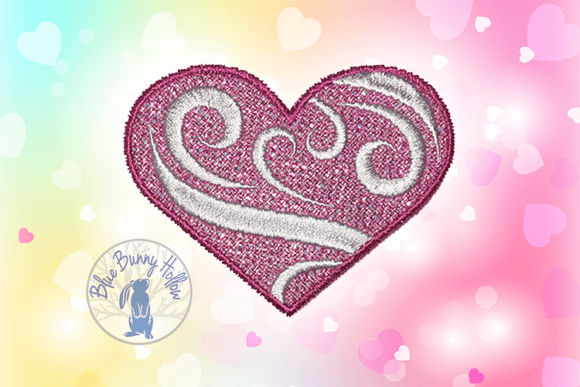
As an embroidery designer who has spent countless hours staring at digitized files and even more hours watching needles punch through fabric, I have learned to be skeptical of "charming" descriptions. We see them everywhere. But when I loaded the Artistic Heart machine embroidery design into my software for a closer look, I paused. It wasn’t just another generic shape. The swirling accents mentioned in the description weren’t merely decorative afterthoughts; they were integral to the flow of the piece. This is a review based on how this design actually behaves in a real workshop environment, not just how it looks on a white digital background.
First Impressions: Mood and Visual Personality
The first thing that strikes you about Artistic Heart is its movement. Many heart designs feel static, like clip-art pasted onto a canvas. This design, however, feels alive. The swirls create a sense of gentle motion, softening the traditional symmetry of a heart. For a designer, this is crucial because it dictates where the eye travels. The layout suggests a romantic but modern aesthetic, moving away from the overly saccharine styles often associated with Valentine S Day themes. Instead, it leans toward a sophisticated, artistic interpretation that could easily transcend seasonal trends.
The detail level is moderate. It is intricate enough to show off the quality of your digitizing and thread work, but not so dense that it becomes a puckering nightmare on lighter fabrics. Visually, it balances negative space with filled areas, which is a hallmark of professional-grade design assets. When I imagine this stitched out, I see a piece that relies on the interplay between the satin stitch borders and the internal detailing. It feels approachable yet refined, making it a versatile candidate for various embroidery project types.
Real-World Application: From Mockup to Finished Product
To truly evaluate an embroidery file, you have to imagine it on actual goods. I recently considered this design for a custom order involving a high-quality cotton tote bag. The client wanted something that felt handmade and personal, not mass-produced. Artistic Heart fit this brief perfectly. Because of its swirling nature, it adapts well to the slight texture of canvas or cotton twill. The design doesn’t get lost in the weave, nor does it overpower the bag’s utility.
Beyond tote bags, I see strong potential in sweatshirt embroidery. Placed on the left chest or as a larger back piece, the design’s organic lines complement the soft drape of fleece or French terry. For Etsy sellers and small shop product creators, this versatility is gold. You can market it as a personalized gift for anniversaries, not just Valentine's Day. Imagine it on a linen napkin set or a structured embroidered patch for a denim jacket. The charm lies in its adaptability. It works for baby embroidery on onesies if scaled down appropriately, offering a sweet but stylish option for new parents who want to avoid cliché graphics.
For those running a craft business, the visual appeal of this design translates directly to perceived value. A clean, well-stitched heart with artistic flair signals professionalism. It builds customer trust because it looks intentional. Whether you are creating holiday embroidery for winter gifts or year-round custom apparel, the design holds its own. It enhances the finished product without screaming for attention, allowing the quality of your stitching to shine.
Technical Considerations and Fabric Compatibility
While Artistic Heart is visually striking, practical application requires caution. As with any design featuring swirls and curves, stitch density is a critical factor. If the digitizing is too dense, you risk pulling on delicate fabrics. I always recommend testing the design on scrap fabric first, specifically the same material you plan to use for the final item. This is non-negotiable for professional results.
Consider the fabric texture. On smooth, woven cottons or linens, the design will look crisp and defined. However, on textured fabrics like toweling or heavy knits, some of the finer swirling details might get lost. In these cases, adjusting the thread colors to create higher contrast can help maintain visibility. For dark fabrics, ensure your digitizing includes proper underlay stitches to prevent the fabric color from showing through the top stitches, which can muddy the artistic effect.
Stretchy fabrics present another challenge. If you are applying this to a t-shirt or a cap, stabilization is key. A cut-away stabilizer is often safer than tear-away for garments that will be washed frequently, as it provides ongoing support to the stitches. Curved surfaces, like the front of a baseball cap, require careful hooping. The swirls must align correctly with the curve of the hat, or the design will look distorted. Always check the hoop size compatibility before purchasing. While the description does not specify exact dimensions, ensuring the design fits your available hoops without excessive resizing is vital to maintaining stitch integrity.
Commercial Use and Brand Consistency
For commercial embroidery professionals and digital embroidery file resellers, licensing is paramount. Before using Artistic Heart in products you intend to sell, confirm the license terms. Some designers allow unlimited physical sales but restrict the resale of the digital file itself. Understanding these boundaries protects your business and respects the creator’s rights.
From a branding perspective, this design supports a cohesive aesthetic. If your brand focuses on artisanal, handcrafted quality, Artistic Heart aligns well. It avoids the cheap, clip-art look that can undermine a boutique’s image. When creating printable mockup images for your online store, this design photographs beautifully. The shadows created by the satin stitches add depth to product photos, increasing buyer engagement. It is a design that invites closer inspection, which is exactly what you want when a customer is browsing your Etsy seller page or website.
Practical Designer Notes for Best Results
- Test Stitch First: Always run a test on similar fabric to check for puckering or thread breaks.
- Contrast Check: View the design in black and white to ensure the swirls are distinct from the main heart shape.
- Stabilizer Selection: Match your stabilizer to the fabric weight. Lighter fabrics need lighter stabilizers to avoid stiffness.
- Thread Quality: Use high-quality rayon or polyester threads to enhance the sheen of the satin stitches.
- Scale Appropriately: Do not scale the design up or down more than 10-15% without checking stitch density, as this can cause thread bunching or gaps.
- Verify Details: Since specific file formats and hoop sizes are not listed in the brief description, verify these technical specs with the provider before purchase to ensure compatibility with your machine.
In conclusion, Artistic Heart is a thoughtful addition to any designer’s library. It offers a blend of romantic charm and modern artistry that performs well across a range of applications, from tote bag design to high-end custom apparel. By respecting the technical requirements of embroidery and understanding the mood the design conveys, you can leverage this asset to create products that resonate with customers and stand out in a crowded market. It is not just a shape; it is a tool for storytelling through thread.