Autumn Welcome Leaves: A Designer’s Review
As an embroidery designer who spends countless hours digitizing and testing patterns, I approach every new machine embroidery design with a critical eye. It is not just about how it looks on the screen; it is about how it performs in the real world. When I loaded Autumn Welcome Leaves into my software, my immediate goal was to determine if this pattern had the commercial viability required for a busy weekend craft fair. For those of us running small shops or selling as an Etsy seller, the difference between a design that sits idle and one that flies off the table often comes down to visual impact and production practicality.
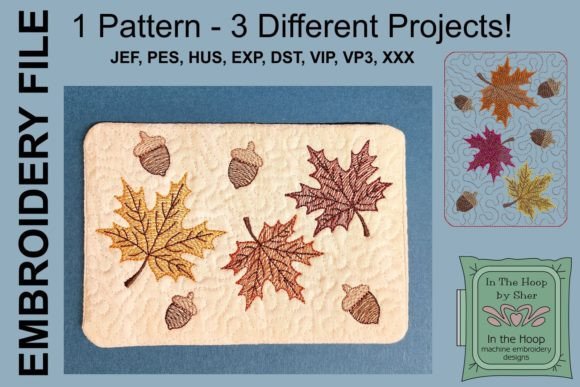
The first impression of Autumn Welcome Leaves is undeniably warm and inviting. The title suggests a seasonal theme, and the description promises a dash of charm for fabric pieces. Upon closer inspection, the design leans heavily into a rustic, farmhouse aesthetic that resonates deeply with fall shoppers. It does not try to be overly modern or minimal; instead, it embraces the cozy, decorative nature of the season. This is crucial because autumn buyers are often looking for items that evoke feelings of home, warmth, and tradition. If you are curating a booth for a handmade market, this type of emotional connection is what stops customers in their tracks.
Visual Appeal and Product Versatility
One of the strongest assets of Autumn Welcome Leaves is its versatility across different substrates. In my review, I evaluated how this embroidery file would translate onto various craft fair product staples. Here is where I believe this design shines brightest:
- Tote Bags and Market Bags: This is arguably the best application for this design. A canvas tote provides a large, flat surface that allows the leaves to be the focal point. As a tote bag design, it offers enough detail to look premium without being so dense that it weighs down the fabric. Customers love personalized or themed bags for grocery runs or library visits, making this a high-volume seller.
- Aprons and Kitchen Textiles: The rustic charm fits perfectly with kitchen decor. Apron embroidery using this motif creates an instant heirloom feel. Similarly, tea towel embroidery can elevate a simple cotton towel into a giftable item. However, placement is key here; ensuring the design is centered and proportional to the pocket or hem is essential for a professional look.
- Embroidered Patches: If you are looking to create low-cost, high-margin items, consider stitching this onto twill or felt to create an embroidered patch. Patches are excellent impulse buys at craft fairs. The leaf motif translates well to smaller scales, provided the details are not too fine.
- Pillow Covers and Home Decor: For higher-ticket items, applying this design to linen or cotton pillow covers adds significant perceived value. It transforms a basic home good into a seasonal statement piece.
When considering commercial embroidery applications, remember that the design must be readable from a distance. At a craft fair, customers scan tables quickly. Autumn Welcome Leaves has a silhouette that is recognizable even from a few feet away, which is a major advantage for booth display strength.
Production Practicality for Small Shop Owners
For creative entrepreneurs and boutique makers, time is money. A beautiful design is useless if it takes three hours to stitch or requires constant thread breaks. While I cannot specify the exact stitch count or hoop size without seeing the specific file data, I can offer general advice based on the typical structure of leaf-themed designs. Most welcome-style motifs are designed to be efficient. They usually feature a balance of satin stitches for stems and fill stitches for leaves. This combination generally offers a good stitch speed.
Batch production is where this design truly earns its keep. Because the motif is self-contained, it is easy to hoop multiple items quickly. Whether you are making ten tote bags or twenty patches, the repeatability of the design allows for an assembly-line workflow. This efficiency is vital for keeping your small shop product costs down and your profit margins healthy. Furthermore, the design photographs exceptionally well. The contrast between typical autumn thread colors—burnt orange, deep red, mustard yellow, and brown—pops against neutral fabrics like cream, beige, or navy. This makes creating a printable mockup or taking photos for your online listings straightforward and visually appealing.
Critical Considerations and Careful Use
Despite its strengths, there are technical aspects you must address before launching this as a finished product. As an experienced designer, I always recommend a rigorous testing phase. Here are the potential pitfalls to watch for with Autumn Welcome Leaves:
- Fabric Texture and Stability: Leaf designs often have intricate edges. If you are stitching on textured towels or loose-weave linens, the small details might get lost or pull the fabric. Always use the appropriate stabilizer. A cut-away stabilizer is often safer for garments that will be washed frequently, while tear-away might suffice for stable home decor items.
- Thread Contrast: The success of this design relies heavily on your thread colors. If you choose threads that are too similar in tone, the definition between the leaves and the background will vanish. Test your color combinations on scrap fabric before committing to your final inventory. High contrast ensures the design remains legible and attractive.
- Curved Surfaces: If you plan to put this on caps, be cautious. Curved surfaces distort designs. You may need to adjust the positioning or use a specialized cap frame to ensure the leaves do not look stretched or warped. Additionally, check if the hoop size you intend to use accommodates the full width of the design without cropping essential elements.
- Dense Stitch Areas: Check the density of the fill stitches. If the design is too dense for lightweight fabric, it can cause puckering. If you are using dark fabric, ensure your underlay stitches are sufficient to prevent the background fabric from showing through the top threads.
Maximizing Sales and Brand Consistency
Integrating Autumn Welcome Leaves into your lineup should enhance your brand consistency. If your shop focuses on handmade, rustic, or seasonal goods, this design reinforces that identity. It signals to buyers that you understand current trends and quality craftsmanship. To maximize buyer engagement, create a cohesive display. Group all items featuring this design together. Use natural elements like dried leaves or pumpkins in your booth decor to complement the embroidery.
For digital sellers, if you are selling the digital embroidery file itself rather than finished goods, ensure your listing includes clear information about compatibility. Buyers need to know which machines and hoop sizes the design supports. Providing a variety of design assets, such as color charts and suggested fabric pairings, can reduce customer support questions and increase satisfaction.
Before you begin mass production, confirm the commercial licensing terms. Most designers allow you to sell physical finished products made with their files, but restrictions may apply to mass manufacturing or sharing the file itself. Always read the license agreement included with your purchase to protect your business.
In conclusion, Autumn Welcome Leaves is a strong contender for your fall collection. It balances aesthetic appeal with production feasibility. By paying attention to fabric choice, stabilizer selection, and thread contrast, you can create high-quality handmade products that stand out in a crowded market. Whether you are an experienced embroiderer or just starting your journey as a creative entrepreneur, this design offers the charm and professionalism needed to succeed in today’s handmade economy.