Bunny Bunnies: A Designer’s Review for Easter Gifts
As an embroidery designer who spends countless hours digitizing and testing patterns, I approach every new machine embroidery design with a critical eye. It is not just about whether the image looks cute on a screen; it is about how it translates to fabric, how it holds up in the wash, and ultimately, how it sells. Recently, I had the opportunity to test Bunny Bunnies, a charming addition to the Baby Animals category. My goal was simple: determine if this design is robust enough for my personalized gift shop’s upcoming spring and Easter lineup.
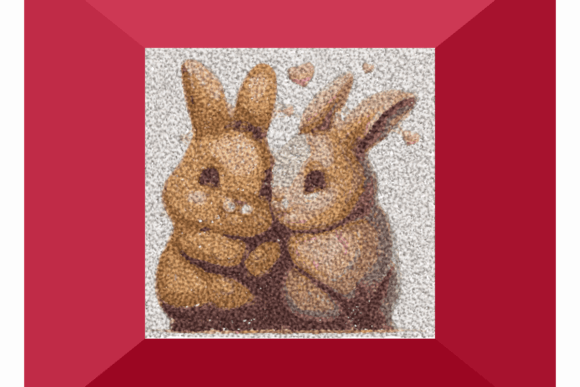
The first impression of Bunny Bunnies is undeniably sweet. It captures that specific blend of playful innocence and handmade warmth that customers crave when buying for newborns or celebrating seasonal holidays. The mood is light, airy, and inviting. For those of us in the business of creating emotional connections through thread, this design hits the right notes. It does not try to be overly complex or modern in a stark way; instead, it leans into classic, timeless appeal. This makes it a versatile asset for any small shop product line, particularly for sellers who specialize in heirloom-quality items.
Visual Appeal and Emotional Connection
When I loaded the digital embroidery file into my software, I was immediately drawn to the balance of detail. In the world of Embroidery, too much detail can lead to stitching issues, while too little can look flat. Bunny Bunnies strikes a comfortable middle ground. The lines are clean, suggesting a high-quality digitization process that respects the limitations of home and commercial machines. The aesthetic is perfect for baby embroidery projects, where softness and approachability are key selling points.
For a customer browsing an online store, the emotional pull of a bunny motif is strong. It evokes memories of childhood, springtime renewal, and comfort. When used as a personalized gift, such as a monogrammed blanket or a named nursery item, the design acts as a focal point that draws the eye without overwhelming the personalization. This balance is crucial for maintaining perceived value. A cluttered design can make a product look cheap, but a well-spaced, charming motif like this enhances the handmade product feel, encouraging buyers to trust the quality of your craftsmanship.
Versatility Across Product Lines
One of the strongest aspects of Bunny Bunnies is its adaptability. During my review, I mapped out several potential applications beyond the obvious Easter basket stuffers. Here is how this design performs across different categories:
- Nursery Decor: The design works beautifully on pillow cover inserts or wall hangings. Its gentle nature fits seamlessly into neutral or pastel-themed rooms.
- Kitchen Linens: An embroidered towel featuring this bunny makes for a delightful housewarming or hostess gift. It adds a touch of whimsy to everyday items.
- Apparel and Accessories: From baby onesies to adult tote bags, the motif scales well. For an Etsy seller, offering this on a canvas tote creates a high-margin item with broad appeal.
- Wedding and Family Keepsakes: While primarily seasonal, the "baby animal" theme extends to wedding gifts for couples expecting their first child. It serves as a tender announcement piece or a shower gift staple.
For wedding gift designers, pairing this motif with elegant script fonts can elevate it from purely childish to sophisticatedly sentimental. The key is in the presentation. A printable mockup showing the bunny embroidered on a high-thread-count linen napkin can significantly boost buyer engagement compared to a standard white background preview.
Technical Considerations for Makers
While the aesthetic is promising, the practical application requires careful planning. As a professional, I always advise checking the specific technical details provided with the embroidery file. Since the product description mentions multiple embroidery files, you likely have access to various sizes. However, you must confirm the exact hoop size requirements for each variant before starting your project.
Stitch density is another critical factor. If the design is too dense for lightweight fabrics, it may cause puckering. Conversely, if it is too sparse for thick materials, the backing might show through. I recommend running a test stitch-out on scrap fabric that matches the weight of your final product. This step is non-negotiable for maintaining professional standards. Pay close attention to how the machine handles any small details within the bunny’s face or ears. These areas are prone to thread breaks or nesting if the tension is not perfectly calibrated.
Fabric choice plays a massive role in the final outcome. Bunny Bunnies will look crisp on smooth cottons but may lose definition on highly textured fabrics like terry cloth or heavy wool. If you are creating an embroidered towel, ensure you use a cut-away stabilizer to support the stitches against the pull of the loops. For stretchy baby clothes, a combination of tear-away and stabilizer spray might be necessary to prevent distortion after washing.
Navigating Color and Contrast
Thread color selection can make or break this design. On white or cream fabrics, traditional pastels work well, but consider using slightly darker shades to ensure the details pop. On dark fabrics, you must verify that the design includes sufficient underlay stitching to prevent the fabric color from bleeding through the top stitches. Always compare light and dark fabric mockups before listing items for sale. This transparency builds customer trust and reduces return rates due to unexpected visual results.
Commercial Viability and Licensing
For those looking to incorporate Bunny Bunnies into their commercial embroidery offerings, licensing is paramount. The product description hints at multiple files but does not explicitly state the license terms. Before selling any finished product, you must confirm that the purchase includes a commercial use license. Most reputable designers allow you to sell physical items made with their designs, but reselling the digital file itself is typically prohibited. Clarifying this protects your business and respects the intellectual property of the creator.
From a marketing perspective, this design offers excellent opportunities for seasonal campaigns. Easter is a peak season for custom embroidery sales. By positioning Bunny Bunnies as part of a limited-time collection, you can create urgency. Use high-quality photography that highlights the texture of the stitches. Close-up shots that show the neatness of the satin stitches or the precision of the fill areas reinforce the quality of your small shop product.
Final Verdict for Gift Shop Owners
After thorough testing and consideration, Bunny Bunnies proves to be a valuable addition to any embroidery designer’s library. It is not just a cute image; it is a functional, versatile tool for creating meaningful personalized gift items. Its strength lies in its emotional resonance and adaptability across various textiles, from blanket embroidery to apparel.
However, success depends on execution. Do not skip the test stitching phase. Respect the limitations of your machine and the properties of your chosen fabric. By paying attention to thread colors, stabilizer choices, and hoop constraints, you can transform this digital asset into a tangible product that delights customers. Whether you are an experienced Etsy seller or a newcomer to the world of handmade goods, this design offers a reliable pathway to creating best-selling spring items. Just remember to verify all technical specifications and licensing rights before launching your campaign, ensuring that your creative process is both profitable and compliant.