Cat Ghost Embroidery: A Designer’s Review for Craft Fairs
As an embroidery designer who has spent countless hours behind the hoop and even more hours standing behind a booth table at local markets, I have learned that not every design translates into sales. Some designs are technically impressive but visually quiet. Others are chaotic and fail to read well from a distance. When I pulled up the Cat Ghost machine embroidery design on my screen this morning, my immediate goal was to determine if it had the "stop power" necessary for a busy Halloween craft fair.
The premise is simple: a feline spirit. But in the world of handmade products, simplicity is often where the profit lies. This review breaks down how this specific digital embroidery file performs when moved from the computer screen to actual fabric, focusing on what matters most to Etsy sellers, boutique makers, and creative entrepreneurs preparing for the autumn selling season.
First Impressions: Whimsy Meets Marketability
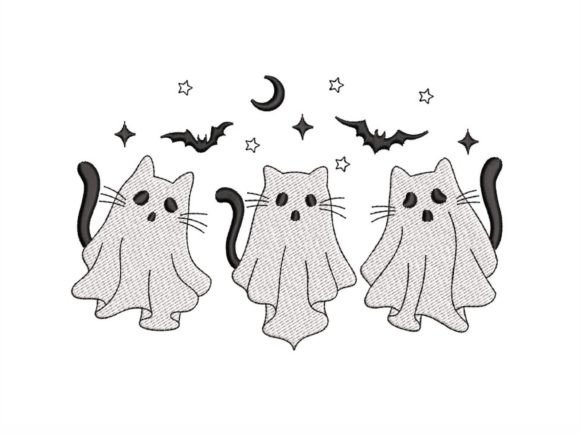
The first thing I look for in a new design asset is its emotional tone. Is it scary? Cute? Elegant? For Cat Ghost, the vibe lands squarely in the "whimsical and cute" category. It does not rely on gore or dark imagery, which makes it incredibly versatile. This broadens your potential customer base significantly. You are not just selling to people who love horror; you are selling to cat lovers, fans of cozy autumn aesthetics, and parents looking for non-threatening Halloween decor for children.
Visually, the design feels modern yet timeless. It avoids the overly rustic look that can sometimes feel dated, opting instead for a clean silhouette that works well in both farmhouse and contemporary settings. This flexibility is crucial for a small shop product because it allows you to market the same design across different niches without needing to create entirely new artwork.
Product Application: Where Cat Ghost Shines
To truly evaluate a design, you must imagine it on physical goods. I mentally placed Cat Ghost on several standard craft fair items to see where it would perform best.
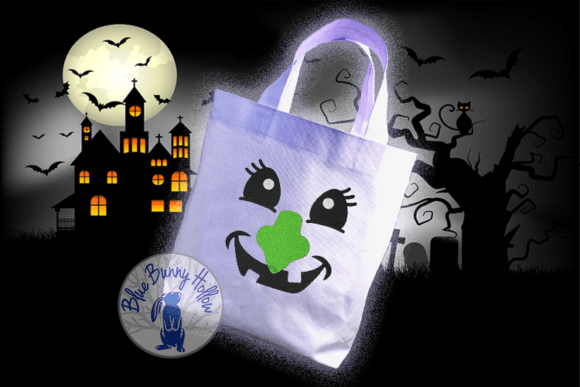
- Tote Bags and Market Bags: This is arguably the strongest application. A large, centered tote bag design featuring the ghost cat creates an instant statement piece. Canvas bags provide a flat, stable surface that highlights the stitch work. Customers love functional art, and a spooky-cute cat on a grocery bag is an easy impulse buy.
- Tea Towels and Aprons: Kitchen textiles are staples of the handmade market. For tea towel embroidery, placement is key. I recommend placing the design in the lower corner or centered near the bottom hem. On an apron embroidery project, centering it on the bib area draws the eye upward. The contrast of white thread on a dark linen apron looks particularly premium.
- Embroidered Patches: If you offer custom patches, this design is ideal. It scales down well, provided the details are not too fine. An embroidered patch can be ironed onto denim jackets or backpacks, appealing to a younger demographic who might not buy a home decor item but will buy an accessory.
- Pillow Covers: For home decor, a square pillow cover with the design centered offers a high perceived value. It transforms a basic cushion into a seasonal accent piece that customers can store away after October, making it a practical purchase.
Production Practicality and Batch Efficiency
For those of us running a business, time is money. A design that takes three hours to stitch and requires constant thread changes is a bottleneck. While I cannot specify the exact stitch count or run time without seeing the specific file data, the nature of a "ghost" design usually implies lighter fill areas and potentially satin stitch borders. This generally suggests a faster run time compared to dense, photo-realistic portraits.
When preparing for a craft fair, you need repeatability. Can you stitch ten of these in a day? If the Cat Ghost design uses minimal thread breaks, it becomes a powerhouse for batch production. I advise checking the stitch density in your software before committing to a large run. If the density is too high, it may cause puckering on lighter fabrics like cotton tea towels. If it is too low, the backing fabric might show through, ruining the finished product.
Photography is another critical factor. How does it look in a printable mockup or a real-life photo? Designs with clear outlines and good contrast photograph beautifully for Etsy listings. The silhouette of a cat is universally recognizable, meaning your thumbnail image will be understood instantly by scrolling shoppers. This clarity drives clicks and engagement.
Technical Considerations and Careful Use
Even the best designs have pitfalls. Here are the technical aspects you must verify before selling any finished product.
Fabric Texture and Stabilizer: Textured towels can be tricky. If the fabric has a deep weave, small details in the embroidery may get lost. Always use a cut-away stabilizer for items that will be washed frequently, like aprons and tote bags. For caps, the curved surface requires careful hooping. Ensure the design fits within your available hoop size without distorting the shape of the cat.
Thread Colors: The magic of a ghost design often relies on contrast. On dark fabrics, use bright white or metallic threads. On light fabrics, consider grey or pastel tones to keep it subtle. Test your thread colors on scrap fabric first. What looks good on screen may look muddy in person if the thread sheen clashes with the fabric texture.
Scaling Issues: Be cautious about shrinking the design too much. Tiny details, such as whiskers or eyes, can become a tangled mess if the design is reduced below a certain threshold. If you plan to sell small items like coin purses, ensure the design remains legible at that smaller scale.
Commercial Viability and Brand Consistency
Using a high-quality digital embroidery file like this helps maintain brand consistency. If your shop focuses on whimsical, handcrafted goods, Cat Ghost fits seamlessly into that narrative. It does not look mass-produced; it retains the charm of a handmade product while being efficient enough to scale.
Before listing any items, confirm the commercial licensing terms included with your purchase. Most designers allow you to sell physical finished goods, but restrictions may apply to sharing the digital file itself. Always respect the intellectual property of the creator to ensure your business remains ethical and sustainable.
In conclusion, Cat Ghost is a strong contender for your autumn inventory. It balances visual appeal with production practicality. By testing it on various fabrics, optimizing your stabilizer choice, and presenting it on high-demand items like tote bags and patches, you can create a standout product line that captures the attention of craft fair attendees and online shoppers alike. Remember, the goal is not just to stitch a design, but to create a product that brings joy to the buyer and profit to your business.