Reviewing the Wildflower Botanical Meadow Garden Design
As a designer who has spent countless hours hooping fabric and troubleshooting tension issues, I approach every new machine embroidery design with a mix of curiosity and caution. We have all been there: you download a beautiful digital file, only to find it turns into a bird’s nest of thread on your favorite linen tote. That is why I took a close look at the Wildflower Botanical Meadow Garden design before committing it to any client work or personal projects. This isn’t just about aesthetics; it is about functionality, stitch quality, and how the final piece holds up in the real world.
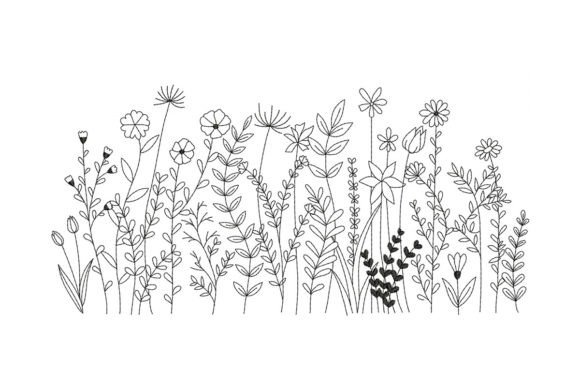
The first impression of this design is one of organic freedom. Unlike rigid geometric patterns or heavy traditional motifs, the Wildflower Botanical Meadow Garden captures the chaotic beauty of nature. It feels airy and intentional, showcasing a diverse array of native plants that seem to sway in an imaginary breeze. For those of us creating handmade products, this mood is crucial. It speaks to customers who value sustainability, natural beauty, and the slow living aesthetic. But does it translate well from screen to stitch? Let’s dive into the practical details.
Visual Appeal and Stitch Composition
When evaluating a design for Bouquets or floral arrangements in Embroidery, I always look at the balance between detail and clarity. The Wildflower Botanical Meadow Garden excels here by using a smart combination of stitch types. You will likely see a mix of satin stitch for the delicate petals and stems, providing that smooth, glossy finish that catches the light. Meanwhile, the foliage and background elements probably utilize fill stitch techniques to create texture without becoming too dense.
This variation is vital. If a design is too dense, it puckers lightweight fabrics. If it is too sparse, it looks cheap and unfinished. From what I can observe, this design maintains a moderate stitch density that allows the fabric to breathe. The layout is horizontal and sprawling, which makes it ideal for wider surfaces. It doesn’t try to cram too much into a small space, which preserves the integrity of each wildflower. This visual personality makes it a strong contender for projects where the embroidery is the star, rather than just an accent.
Real-World Application: The Tote Bag Test
To truly judge a design, you have to imagine it on a product. I recently considered using the Wildflower Botanical Meadow Garden for a custom order of canvas tote bags for a local farmer’s market vendor. This is a classic use case for a tote bag design. The horizontal spread of the meadow fits perfectly across the front panel of a standard tote.
In this scenario, the natural color palette of the design—greens, soft purples, yellows, and whites—complements the neutral tone of unbleached canvas. The thread colors need to be chosen carefully to ensure contrast. On a natural canvas, earthy tones blend beautifully, but if the vendor wanted a pop, I might suggest swapping one of the flower colors for a brighter shade. The result is a finished product that looks professional and high-end, elevating the perceived value of the bag. Customers are more likely to trust a brand that uses such thoughtful, detailed design assets.
Apparel and Custom Gifts
Beyond totes, this design shines in custom apparel. Imagine it embroidered on the back of a oversized sweatshirt or the hem of a linen dress. For sweatshirt embroidery, the design’s organic shape works well because it doesn’t require perfect symmetry, which can be hard to achieve on curved seams. It also makes for a lovely personalized gift. Adding a small monogram underneath the meadow scene could turn a standard item into a cherished keepsake for weddings or birthdays.
However, when moving to smaller items like baby embroidery projects, caution is needed. While the theme is gentle and suitable for nurseries, the size of the individual flowers matters. If the design is scaled down too much for a onesie or a small bib, the fine details might get lost or become stiff. Always check the minimum recommended size before shrinking it for tiny garments.
Technical Considerations and Fabric Choice
No design works everywhere, and the Wildflower Botanical Meadow Garden is no exception. Here is where my experience as a reviewer comes in handy. You need to be mindful of where you place this design.
- Fabric Texture: This design looks best on stable, woven fabrics like cotton, linen, or canvas. The fabric texture should be smooth enough to allow the satin stitches to lie flat. Avoid highly textured fabrics like thick wool or terry cloth unless you are using an applique design technique to cover the base.
- Stretchy Materials: Be careful with knits. Without proper stabilization, the pull of the fill stitches can distort a t-shirt. Always use a cut-away stabilizer for stretchy fabrics to maintain the shape of the meadow.
- Dark Fabrics: If you plan to stitch this on black or navy, remember that light thread colors may require an underlay or even a white backing patch to prevent the dark fabric from showing through. Test your thread color contrast on scrap pieces first.
- Curved Surfaces: While it works on caps, the wide horizontal span might wrap awkwardly around the front panel of a baseball cap. It is better suited for flat panels or larger curved areas like the back of a jacket.
Advice for Etsy Sellers and Craft Businesses
For the Etsy seller or small shop product creator, this design offers versatility. It fits well within the current trend of botanical and cottagecore aesthetics. When listing items made with this digital embroidery file, highlight the natural vibe in your descriptions. Use high-quality printable mockup images to show how the design looks on different products, from embroidered patch styles to pillow covers.
From a business perspective, consistency is key. If your brand focuses on nature-inspired goods, the Wildflower Botanical Meadow Garden aligns perfectly. It helps build brand recognition because the style is distinct yet adaptable. Whether you are creating holiday embroidery gifts for spring or summer collections, this design remains relevant. It avoids seasonal clichés, making it a year-round asset for your craft business.
Final Designer Notes
Before you start stitching, here are my final practical tips. First, always run a test stitch-out on the same type of fabric you intend to use for the final product. Check for thread breaks, especially in the denser areas of the foliage. Second, verify the licensing terms. Ensure that the commercial embroidery rights are clear if you plan to sell finished items. Most designers allow it, but it is always best to confirm.
Also, consider the hoop size required. Make sure your machine can accommodate the dimensions of the full meadow spread. If you are limited to a 4x4 hoop, you may need to split the design or choose a different project. Finally, inspect the small details. Zoom in on the embroidery file preview to ensure the running stitches connecting the elements are tidy and won’t create unwanted loops on the back.
In conclusion, the Wildflower Botanical Meadow Garden is a thoughtful, well-composed design that brings a touch of nature to textile arts. It requires some technical awareness regarding fabric and stabilization, but for the prepared maker, it offers a rewarding stitching experience and a beautiful result. Whether you are decorating a home, dressing a client, or stocking your online shop, this design has the potential to become a staple in your creative toolkit.