Reviewing Vegetables: A Sweet Embroidery Choice
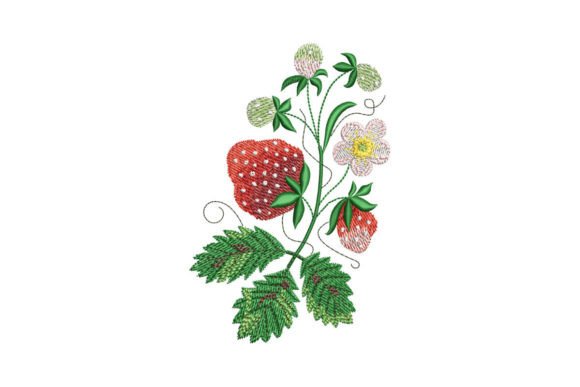
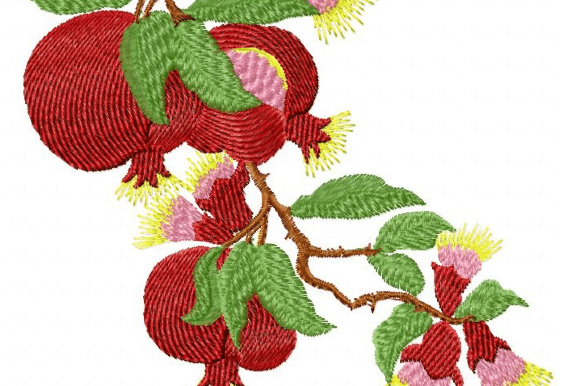
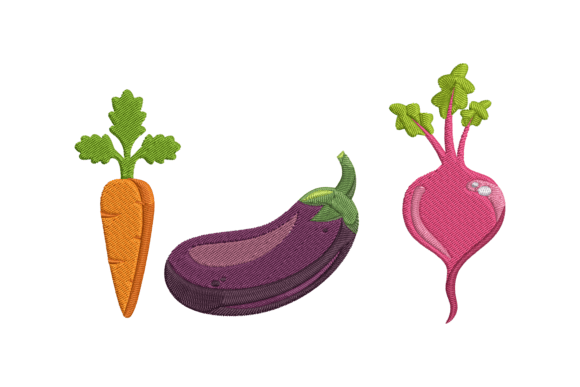
As an embroidery designer who has spent years digitizing patterns and testing them on everything from delicate muslin to heavy denim, I approach every new machine embroidery design with a mix of excitement and scrutiny. When I first loaded the Vegetables design into my software, I was immediately struck by its charm. It is not just a pattern; it is a mood. In the world of personalized gifts, finding designs that balance playfulness with elegance is rare, but this piece manages to hit that sweet spot effortlessly.
The initial impression of Vegetables is one of warmth and homemade comfort. It feels inherently sweet and slightly whimsical, making it an ideal candidate for projects that aim to evoke nostalgia or joy. For those of us running small shops or selling on platforms like Etsy, the emotional appeal of a design is just as important as its technical execution. This design screams "handmade product" in the best possible way, suggesting care, attention to detail, and a personal touch that mass-produced items simply cannot replicate.
Why This Design Resonates with Modern Crafters
In the current market, customers are moving away from generic decor and toward items that tell a story. The Vegetables motif fits perfectly into the growing trend of cottagecore and rustic kitchen aesthetics. Whether you are a baby product creator looking for nursery decor or a wedding gift designer seeking unique keepsakes, this design offers versatility. It belongs firmly in the Food category of embroidery, yet it transcends mere utility to become a decorative accent.
I tested this design with the mindset of a customer who wants a meaningful embroidered gift. Imagine a young couple setting up their first home. They are looking for an embroidered towel or a custom apron that reflects their love for cooking together. The Vegetables design serves as a lovely accent here, transforming a plain cotton towel into a cherished kitchen staple. Similarly, for new parents, this motif can be adapted for baby embroidery projects. While vegetables might seem like an unusual choice for a newborn, when paired with soft pastels, it creates a gender-neutral, organic vibe that many modern parents adore.
Versatility Across Product Lines
One of the strongest assets of this digital embroidery file is its adaptability. During my review, I visualized how it would perform on various substrates. Here is where I see the most potential for small business owners:
- Kitchen Linens: An apron or tea towel featuring this design becomes an instant bestseller for housewarming gifts.
- Nursery Decor: Applied to a pillow cover or a wall hanging, it adds a playful element to a child’s room without being overly cartoonish.
- Tote Bags: Canvas bags are sturdy enough to handle the stitch density, making this a great option for eco-friendly shoppers.
- Blanket Embroidery: For a cozy throw, this design can serve as a corner accent, adding texture and visual interest.
For an Etsy seller, having a design that works across multiple product types is invaluable. It allows you to create a cohesive collection, offering customers a range of items that share the same aesthetic language. This consistency builds brand identity and encourages repeat purchases.
Technical Considerations for a Flawless Finish
While the artistic merit of Vegetables is high, practical application requires careful planning. As experienced crafters know, a beautiful design can look messy if not executed correctly. The product description notes that this machine embroidery design comes with multiple options, which is a crucial detail. However, since specific technical data like exact stitch count or hoop size is not explicitly detailed in the brief provided, I strongly advise checking the included files thoroughly before starting your project.
Stabilizer selection is paramount. Because this design likely involves varied textures to represent different vegetables, using the wrong stabilizer could lead to puckering, especially on lighter fabrics. I recommend testing on scrap fabric first. Try a cut-away stabilizer for stretchy materials like baby clothes, and a tear-away for stable woven fabrics like cotton towels. Always check the thread colors against your fabric. High contrast can make the design pop, but sometimes a tonal approach looks more sophisticated and elegant.
Pay close attention to fabric texture. Thick towels can swallow up fine details, while slippery silks may shift during stitching. If you are working with textured fabric, consider simplifying the thread palette to ensure the shape remains clear. Additionally, be cautious with small lettering if you plan to combine this design with text. Delicate details can get lost if the hoop size is too large or if the tension is not calibrated correctly.
Navigating Challenges in Production
There are specific scenarios where you should use Vegetables carefully. Curved surfaces, such as the pocket of a onesie or the edge of a round pillow, require precise hooping to prevent distortion. Dark fabrics present another challenge; if the design relies on light thread colors, you must ensure your underlay stitches are sufficient to prevent the background fabric from showing through. Products that need frequent washing, like kitchen towels or baby blankets, require secure stitching. Check small details after stitching to ensure there are no loose threads that could unravel in the wash.
Before selling any finished product, confirm commercial licensing. Just because you purchased the embroidery file does not automatically grant you the right to sell items made with it, although most designers do allow this. Always read the terms included with your download to protect your small shop product line.
Enhancing Perceived Value and Customer Trust
From a business perspective, the quality of your embroidery directly impacts customer trust. A well-executed Vegetables design signals professionalism. It shows that you care about the handmade quality of your goods. This attention to detail fosters an emotional connection with the buyer. When a customer receives a personalized gift that looks pristine and thoughtful, they are more likely to leave a positive review and return for future purchases.
Product photography also plays a huge role here. This design photographs beautifully because of its inherent charm. Use natural light to highlight the texture of the stitches. Create a printable mockup or stage real-life shots showing the design in context—on a kitchen counter, draped over a chair, or held by a child. These visuals help buyers imagine the item in their own lives, boosting engagement and conversion rates.
In conclusion, Vegetables is a delightful addition to any designer’s library. It bridges the gap between playful and classic, making it suitable for a wide array of personalized gifts. By paying attention to technical details like stabilizer choice, thread contrast, and fabric suitability, you can ensure that every piece you create meets the high standards your customers expect. Whether you are creating a wedding gift, a baby shower present, or a custom order for a loyal client, this design offers the extraordinary look that turns simple fabric into a cherished keepsake.