Rubber Duck Applique: A Designer’s Practical Review
As an embroidery designer who spends more time staring at stitch maps than actual fabric, I have learned to be skeptical of cute concepts. Cuteness often translates poorly into thread, resulting in muddy details or disproportionate shapes that look charming on a screen but clumsy on a towel. However, when I loaded the Rubber Duck Applique into my software for a recent client project, my initial skepticism gave way to genuine appreciation for its structural simplicity and commercial viability. This is not just a graphic; it is a functional design asset built for real-world application.
First Impressions: Shape, Mood, and Visual Personality
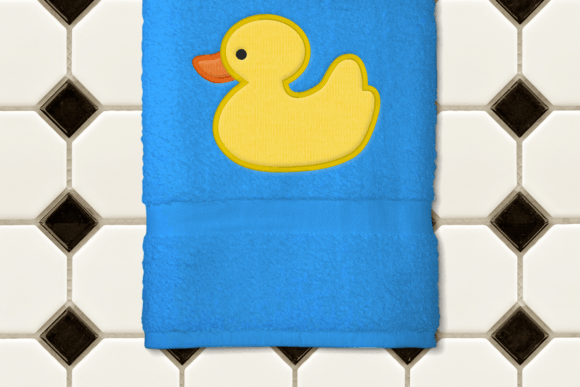
The first thing you notice about this applique design is its confidence in negative space. Unlike complex digital illustrations that rely on thousands of tiny stitches to convey form, this rubber duck relies on the bold silhouette of the subject. The mood is inherently playful and nostalgic, tapping into the universal recognition of the classic bath toy. For a designer, this is gold. It means the visual personality is established immediately, without requiring the viewer to squint at fine details.
The layout is balanced, with a curvature that suggests movement without being chaotic. In terms of detail level, it strikes a rare balance. It is simple enough to stitch quickly, which is crucial for high-volume craft business operations, yet it retains enough character to feel like a premium handmade product rather than a generic clipart conversion. When I visualized this on a tote bag design, the clean lines promised a crisp finish, free from the puckering that often plagues dense, overly detailed motifs.
Real-World Application: From Nursery Decor to Boutique Merchandise
To truly evaluate a machine embroidery design, you must imagine it in situ. I recently tested this concept while preparing a custom order for a boutique specializing in baby items. The client wanted a set of hooded towels and matching washcloths. This is where the Rubber Duck Applique shines. Because applique involves layering fabric under a satin or wide zigzag border, the final result has a tactile depth that flat embroidery lacks.
On terry cloth towels, which can be notoriously difficult to embroider due their looped texture, the applique method provides a smooth, stable surface for the duck’s features. The contrast between the soft towel and the structured applique fabric creates a professional look that elevates the perceived value of the finished product. Beyond towels, I see immense potential for this design in sweatshirt embroidery. Placed on the left chest of a heather gray crewneck, it serves as a subtle, charming accent that appeals to adults who appreciate whimsical nostalgia, not just parents buying for infants.
For Etsy sellers and small shop owners, versatility is key. This design fits seamlessly into categories ranging from nursery decor to holiday embroidery gifts. Imagine it on a canvas tote for a beach bag, or as part of a larger scene on a pillow cover. Its adaptability makes it a strong candidate for a core design asset in your digital library.
Technical Considerations and Fabric Constraints
While the design is robust, it is not immune to the physics of embroidery. As a reviewer, I must highlight where caution is needed. The success of any applique relies heavily on the choice of fabric for the cut-out piece. If you are using a fraying fabric like linen or loose-weave cotton, you must ensure your stabilizer is up to the task. I recommend a medium-weight cut-away stabilizer for garments that will undergo frequent washing, such as baby clothes or kitchen towels.
One area to watch is the curve of the duck’s body. On stretchy fabrics like jersey knits, if the hoop tension is too tight, the fabric can distort, causing the applique edge to wave rather than lie flat. Always test the design on scrap fabric first. This is non-negotiable. Check how the stitch density interacts with your specific machine. While the description notes that this digital embroidery file comes in multiple formats compatible with various machines, every machine tensions thread differently. A test run allows you to adjust your top tension to ensure the satin stitch border covers the raw edges of the applique fabric completely.
Additionally, consider the scale. If you are working with a small hoop size, ensure you do not shrink the design to the point where the internal details—such as the eye or beak—become indistinguishable blobs. Clarity is paramount. If the details merge, the design loses its charm. For curved surfaces like caps, you may need to digitize a slight arch or use a specialized cap frame to prevent distortion, as the flat nature of the original file might not conform perfectly to a structured baseball cap without adjustment.
Enhancing Visual Appeal and Brand Consistency
The color palette you choose for the Rubber Duck Applique will dictate its market appeal. The classic yellow is obvious, but do not overlook the power of contrast. Using a pastel blue or mint green fabric for the applique body can create a softer, more modern aesthetic suitable for contemporary nursery themes. Thread colors should complement, not compete. A contrasting thread color for the border can make the design pop, while a matching thread color creates a seamless, integrated look that feels more sophisticated.
For commercial embroidery projects, consistency is vital. If you are producing a line of products, ensure that your thread colors are standardized across batches. This builds customer trust and brand recognition. When a buyer sees your personalized gift items, they should recognize the quality and style immediately. This design supports that goal by offering a clean, reproducible result that looks intentional and polished.
Practical Notes for the Professional Embroiderer
Before you commit to production, take these practical steps to ensure success:
- Check Licensing: Confirm the license terms provided with the embroidery file. Ensure you have the right to sell finished items or if there are restrictions on digital redistribution.
- Test on Dark Fabrics: If you plan to offer this on dark garments, consider using a light-colored applique fabric to maintain visibility, or add a white underlay if the design allows for modification.
- Inspect Small Details: Zoom in on your software. Look for any unnecessary jump stitches or confusing pathing that might cause thread breaks.
- Mockup Variations: Create printable mockups in both color and black and white. This helps you visualize how the design holds up without relying solely on color contrast.
- Fabric Texture Match: Pair the design with appropriate fabrics. Smooth cottons and polyesters work best for the applique piece, while the base garment can vary.
In the context of Bed linens or home textiles, this design adds a touch of warmth and personality. Whether it is adorning a child’s blanket or a decorative pillow, the Embroidery adds a layer of craftsmanship that mass-produced prints cannot replicate. Ultimately, the Rubber Duck Applique is a reliable, versatile tool for the modern maker. It respects the limitations of the medium while maximizing aesthetic impact. For those looking to expand their product line with items that are both fun to make and profitable to sell, this design deserves a spot in your active folder.