Fresh Spring Border: A Designer’s Craft Fair Review
As an embroidery designer who has spent countless weekends behind a craft fair table, I know that the difference between a browser and a buyer often comes down to visual impact. When I first loaded the Fresh Spring Border onto my machine, my immediate thought was about versatility. This is not just a decorative element; it is a strategic asset for any handmade business owner looking to refresh their inventory for the spring and summer seasons. The design promises a colorful look that translates beautifully across various fabrics, making it a strong contender for high-turnover craft fair products.
First Impressions: Visual Appeal and Market Fit
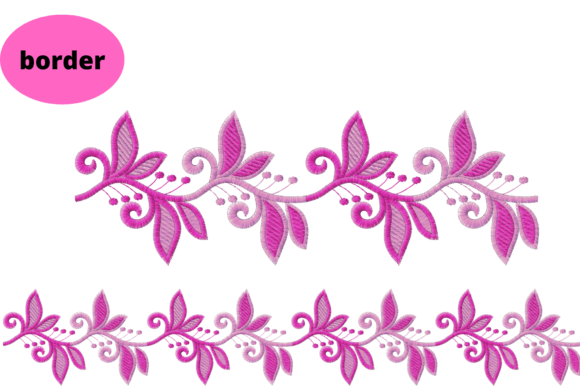
The title itself suggests a mood that is bright, rejuvenating, and approachable. In the context of current market trends, customers are moving away from overly complex, dense imagery in favor of designs that feel light and airy. Fresh Spring Border fits this aesthetic perfectly. It feels less like a rigid, traditional motif and more like a modern, organic accent. For an Etsy seller or boutique maker, this means the design can bridge the gap between rustic farmhouse charm and contemporary minimalism.
When evaluating a new machine embroidery design, I always ask: Does it stop the scroll? In a digital listing, a border design must frame the product without overwhelming it. This design appears to offer that balance. It provides a structured yet soft edge that draws the eye inward, highlighting the quality of the base fabric. For a physical booth display, this translates to items that look finished and professional, even if they are simple small shop products like tea towels or tote bags.
Strategic Product Placement for Maximum Sales
The description notes that this design can be embroidered on any fabric, which is a bold claim but one that holds true for well-digitized borders. However, not all applications are equal in terms of profit margin and customer appeal. Here is how I would deploy Fresh Spring Border in a real-world production cycle.
- Tote Bags and Market Bags: This is arguably the strongest application. A border running along the bottom hem or the top edge of a canvas tote creates a custom, high-end feel. It transforms a blank utility item into a stylish accessory. As a tote bag design, it offers excellent visibility when the bag is worn or carried.
- Kitchen Linens: Tea towel embroidery is a staple of craft fairs. Placing this border along the short ends of a flour sack towel creates a cohesive set. Customers love buying these as gifts because they feel luxurious yet practical.
- Apparel and Aprons: An apron embroidery using this border along the bib or the waistband adds a touch of whimsy. It works particularly well on denim or heavy cotton, where the colorful threads pop against the textured background.
- Home Decor: Pillow covers are another viable option. Using the design as a frame around the perimeter of a square cushion cover can elevate a basic linen pillow into a statement piece.
Production Practicality and Batch Efficiency
For those of us running small businesses, time is money. A design that is difficult to hoop or prone to errors is a liability. Fresh Spring Border seems designed for efficiency. Borders are generally easier to align than central motifs because you can use the edges of the fabric as a guide. This reduces the time spent measuring and re-hooping, allowing for faster batch production.
However, there are critical technical considerations. The description mentions a "colorful look," which implies multiple thread changes. While this enhances visual appeal, it increases production time. I recommend testing the thread colors to ensure they complement rather than clash. A palette of pastels might suit the "spring" theme, but high-contrast colors could make the design stand out more on dark fabrics. Always check the stitch density in your preview software. If the design is too dense for lightweight fabrics, it may cause puckering, which ruins the perceived quality of the finished product.
Navigating Fabric Textures and Hoop Constraints
One of the challenges with border designs is maintaining consistency on curved or textured surfaces. For example, embroidering on a cap requires a specific cap frame and careful attention to how the design wraps around the curve. Similarly, textured towels can sometimes obscure fine details. If Fresh Spring Border contains tiny elements, they may get lost in the loops of a terry cloth towel. In such cases, I advise using a cut-away stabilizer to provide a firm foundation and ensure the stitches sit on top of the texture rather than sinking into it.
Regarding hoop size, since the specific dimensions are not provided in the description, you must verify this before purchasing. Ensure the design fits within your standard hoops (such as 5x7 or 6x10) to avoid needing specialized large-frame equipment. If the design is scalable, test it at smaller sizes to see if it retains its clarity. A design that looks beautiful at four inches wide might become a muddy mess at two inches.
Marketing and Digital Presentation
In the digital age, your digital embroidery file is only half the product; the other half is how you present it. For online listings, create a printable mockup that shows the design in situ. Show the border on a white tote, a navy apron, and a natural linen pillow. This helps customers visualize the versatility of the design. Use high-quality photos that highlight the texture of the stitches and the vibrancy of the threads.
For craft fair sellers, use this design to create "hero" items for your booth display. A large tote bag with a prominent Fresh Spring Border can serve as a visual anchor for your table. It signals to passersby that your work is detailed, colorful, and fresh. Consider offering personalized options where customers can choose their thread colors, adding value to the commercial embroidery service you provide.
Designer Notes: Quality Control and Licensing
Before you commit to a large production run, follow these essential steps:
- Test on Scrap Fabric: Always stitch out the design on the exact fabric you intend to sell. Check for thread breaks, nesting, or registration issues.
- Verify Commercial Licensing: Ensure that the license included with the embroidery file permits the sale of finished physical goods. Most designers allow this, but it is crucial to confirm.
- Check Color Contrast: Ensure the design is visible on both light and dark fabrics. You may need to adjust thread colors for different base materials.
- Inspect Edge Finish: Since this is a border, the start and end points are critical. Make sure they are clean and do not leave unsightly tails or knots that require excessive trimming.
In conclusion, Fresh Spring Border represents a smart addition to any embroidery designer’s library. It offers the flexibility needed for diverse product lines, from embroidered patches to home decor. By focusing on proper stabilization, thoughtful color selection, and strategic product placement, you can turn this simple design assets into a bestseller. Whether you are an experienced Etsy seller or a newcomer to the craft fair circuit, this design provides the colorful, professional finish that today’s handmade shoppers crave.