Quiltblocks 7,01 178mm: A Designer’s Craft Fair Review
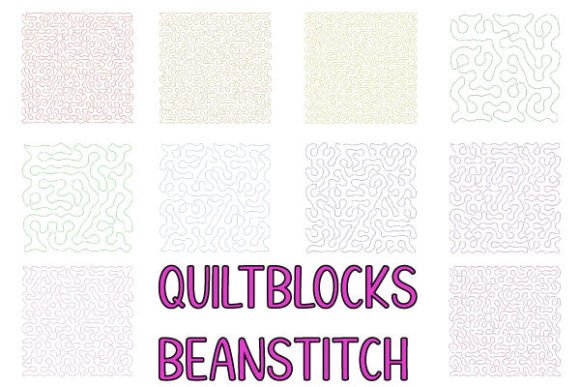
As an embroidery designer who has spent countless weekends behind a craft fair table, I know that the difference between a browser and a buyer often comes down to visual impact. When I first loaded Quiltblocks 7,01 178mm into my digitizing software, my immediate thought was not just about the stitch count, but about shelf presence. This set of ten quilt block designs, rendered in a triple bean stitch technique, offers a specific texture that translates beautifully from digital file to tangible handmade product. For those of us running small shops or Etsy stores, understanding how a design behaves on fabric is just as important as its aesthetic appeal.
First Impressions: Texture Meets Tradition
The title itself gives away the primary selling point: the 178mm size. In the world of machine embroidery, this is a substantial footprint. It is large enough to serve as a focal point on a tote bag or a pillow cover, yet it retains the intricate charm of traditional quilting. The use of the triple bean stitch is a strategic choice. Unlike standard satin stitches which can look flat from a distance, the bean stitch creates a raised, rope-like texture. This adds depth and intricacy, making the design feel premium rather than mass-produced.
Visually, these designs fall squarely into the rustic and farmhouse categories, though their geometric nature allows them to fit into modern minimalistic themes depending on your thread choices. As part of the Backgrounds category in many libraries, these blocks are versatile. They do not scream for attention with loud colors; instead, they invite closer inspection through their structural integrity and stitch definition. For a craft fair booth, this is crucial. You want items that stop people in their tracks, and the tactile quality of a triple bean stitch does exactly that.
Product Application: Where This Design Shines
When preparing my display for a weekend market, I am always evaluating which blank products will maximize the value of a digital embroidery file. Here is how Quiltblocks 7,01 178mm performs across various popular items:
- Tote Bags: This is arguably the best application. A 178mm design fits perfectly on the front of a standard canvas tote. The triple bean stitch holds up well against the wear and tear of daily use, making it a durable tote bag design that customers appreciate for its longevity.
- Pillow Covers: Home decor is a high-margin category. Placing this quilt block in the center of a linen or cotton pillow cover creates an instant heirloom look. The geometric symmetry appeals to buyers looking for cohesive living room aesthetics.
- Aprons: For kitchen-focused sellers, an apron embroidery using this design adds a professional touch. Positioned on the bib or the lower skirt, it elevates a simple utility item into a giftable piece.
- Tea Towels: While beautiful, caution is needed here. The tea towel embroidery market is saturated, and the density of a triple bean stitch on thin flour sack towels can cause puckering if not stabilized correctly. However, on heavier linen towels, it looks exquisite.
- Patches and Pouches: If you hoop stabilizer alone and stitch out the design to create an embroidered patch, the bean stitch edges clean up nicely. These can be sold individually or applied to fabric pouches and market bags.
Production Realities: Stitch Density and Fabric Choice
From a production standpoint, the triple bean stitch technique used in Quiltblocks 7,01 178mm requires careful attention to stitch density. Bean stitches are inherently denser than running stitches because the needle retraces its path multiple times. This creates durability but also adds bulk. When working with thick fabrics like denim or canvas tote bags, this is an advantage. The design sits on top of the fabric rather than sinking in.
However, when moving to lighter materials, you must prioritize your stabilizer selection. A cut-away stabilizer is often recommended for bean stitches to prevent distortion over time, especially if the item will be washed frequently. For a small shop product, consistency is key. If you are batch-producing twenty tote bags, ensure your hooping is precise. The 178mm size leaves little room for error on smaller hoops, so confirm your hoop size compatibility before starting a large run.
Another critical factor is thread colors. Because the design relies on texture rather than complex color blending, monochromatic or two-tone schemes work best. High-contrast threads against dark fabrics can highlight the stitch definition, but be wary of thread shine. Matte threads often complement the rustic vibe of quilt blocks better than glossy rayon threads.
Selling Strategy: Visual Appeal and Customer Engagement
For an Etsy seller or craft fair vendor, the photograph is the first point of sale. Quiltblocks 7,01 178mm photographs exceptionally well because of its shadow-casting properties. The raised bean stitch catches light, creating natural highlights and shadows that make the image pop on social media. When creating a printable mockup or listing photos, ensure you capture close-up shots that show the stitch texture. Buyers of commercial embroidery goods are increasingly educated; they want to see the quality of the workmanship.
This design also aids in brand consistency. If your shop focuses on handmade, heritage-style goods, these quilt blocks reinforce that narrative. They signal to the customer that the item is crafted with care. In a busy craft fair aisle, a tote bag with a crisp, textured geometric design stands out against printed or poorly digitized alternatives. It signals quality immediately.
Practical Designer Notes for Best Results
Before you commit to producing inventory, follow these steps to ensure your finished product meets professional standards:
- Test on Scrap Fabric: Never skip the test stitch. Run the design on the exact fabric you plan to sell. Check for puckering or thread breaks.
- Check Thread Contrast: Ensure your thread color provides enough contrast against the fabric to make the geometric lines visible from a distance.
- Review Spacing: With a 178mm design, ensure there is enough margin from the edge of your product. On a tote bag, centering is vital for perceived value.
- Inspect Stitch Density: If the design feels too stiff after stitching, consider adjusting your tension or using a lighter weight thread.
- Create Real Mockups: Instead of relying solely on digital previews, stitch one sample and photograph it in natural light. This helps you judge the true visual appeal.
- Confirm Licensing: Always verify the license terms of your design assets. Ensure you have commercial rights to sell the physical items created with this machine embroidery design.
In conclusion, Quiltblocks 7,01 178mm is a robust addition to any embroidery business focused on home goods and accessories. Its strength lies in its texture and versatility. By pairing this intricate Embroidery design with high-quality blanks and paying attention to stabilization, you can create products that not only sell but also build a reputation for quality in your handmade market niche.