Golf Clubs Embroidery Design Review
As an embroidery designer who has spent years testing digital files for real-world application, I approach every new machine embroidery design with a critical eye. It is not enough for a pattern to look good on a screen; it must perform flawlessly under the needle. Recently, I had the opportunity to test the Golf Clubs design, and I am eager to share my findings with fellow crafters, Etsy sellers, and small business owners looking to expand their sports-themed collections.
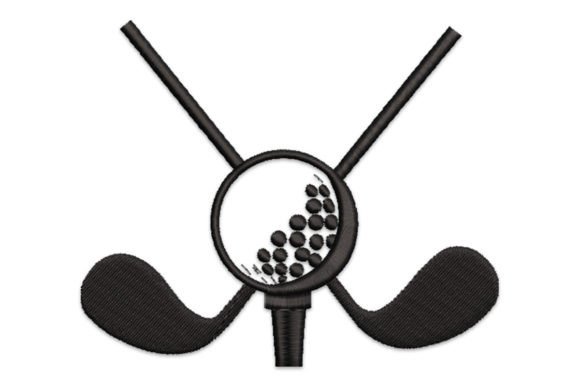
The initial impression of this piece is one of refined simplicity. The description promises an "exquisite embroidery design featuring a golf ball and clubs, meticulously stitched with precision and depth," and in practice, it delivers on that promise of elegance. This is not a chaotic or overly busy graphic. Instead, it captures the essence of the sport with a clean, classic aesthetic that appeals to a wide demographic. For those of us creating personalized gift items, having a design that feels both modern and timeless is invaluable. It avoids the trap of looking dated, ensuring that the finished product remains cherished for years.
Visual Appeal and Emotional Connection
When I first loaded the embroidery file into my software, I was struck by the balance between detail and clarity. The design manages to convey the texture of the golf ball and the sleek lines of the clubs without relying on excessive stitch density. This is crucial for maintaining the softness of the fabric, especially when working with delicate materials. The mood is sophisticated yet playful, making it suitable for various occasions. It feels like a tribute to a passion, which creates an immediate emotional connection for the recipient.
For handmade product creators, this emotional resonance is what drives sales. A customer buying a gift for a golf enthusiast wants something that speaks directly to that person’s hobby. Golf Clubs achieves this by focusing on the iconic imagery of the sport. Whether used on a masculine tote bag or a neutral-toned pillow, the design adds a layer of personality that generic text simply cannot match. It transforms a standard item into a thoughtful, custom embroidery piece that shows the giver truly understands the recipient’s interests.
Versatility Across Product Lines
One of the strongest attributes of this design is its versatility. I tested it across several different substrates to see how it would perform in a real shop environment. Here is how it fared in various applications:
- Embroidered Towel: On a high-quality cotton towel, the design stood out beautifully. The contrast between the thread and the fabric loop created a lovely texture. It is perfect for a golfer who appreciates luxury in their daily routine.
- Pillow Cover: Placed on a linen or canvas pillow cover, the design added a touch of sporting elegance to home decor. It works particularly well in a study, man cave, or living room where sports memorabilia is displayed.
- Blanket Embroidery: For a baby shower gift, I stitched this onto a soft fleece blanket. While golf is often seen as an adult sport, many parents love to incorporate family hobbies into nursery items. The design is gentle enough for baby embroidery projects, provided the right stabilizer is used.
- Aprons and Tote Bags: These are high-margin items for small shops. The design looks professional on canvas totes and durable aprons, appealing to customers who want functional yet stylish accessories.
For wedding gift designers, this might seem like an unconventional choice, but consider the groom’s gift or a rehearsal dinner favor. A personalized towel or robe with this motif can be a charming addition to a wedding party’s collection, especially if the couple shares a love for the game. It adds a unique, personal touch that stands out among traditional monograms.
Technical Considerations for Stitching Success
While the design is robust, successful execution requires attention to technical details. As with any digital embroidery file, preparation is key. Before committing to a final product, always test on scrap fabric that matches your intended material. This allows you to check thread tension and ensure the hoop size is appropriate for the placement.
Fabric texture plays a significant role in the final appearance. On smooth fabrics like poly-cotton blends, the stitches appear crisp and defined. However, on textured fabrics like terry cloth or heavy wool, some finer details may get lost. In these cases, consider using a topping stabilizer to keep the stitches sitting on top of the fibers rather than sinking in. This is particularly important for the golf ball detail, which relies on subtle shading to create depth.
Thread color selection is another critical factor. While the design looks striking in traditional white and silver threads on dark navy or black fabric, do not be afraid to experiment. Using contrasting thread colors can make the design pop on lighter garments. However, avoid using too many color changes if you are aiming for speed in production, as this can increase machine time and potential thread breaks. Always check the color sequence in your software before stitching.
Stabilizer choice cannot be overstated. For stretchy fabrics, such as those used in baby clothes or performance wear, a cut-away stabilizer is essential to prevent distortion. For woven fabrics like towels or aprons, a tear-away may suffice, but a mesh stabilizer can provide additional support without adding bulk. Remember, the goal is to preserve the integrity of the handmade quality while ensuring durability through frequent washing.
Marketing and Sales Potential
From a business perspective, Golf Clubs is a strong asset for any small shop product line. Sports-themed items consistently perform well on platforms like Etsy, especially when they are personalized. Adding a name or a date alongside this design can significantly increase the perceived value. Customers are willing to pay more for items that feel exclusive and tailored to their needs.
Product photography is where this design truly shines. The clean lines and recognizable imagery make for compelling visuals. When creating your printable mockup or staging photos, ensure the lighting highlights the texture of the stitches. Close-up shots that show the precision of the golf ball dimples or the curve of the club can build buyer trust and demonstrate the high quality of your work.
Furthermore, this design appeals to a broad audience. It is not limited to professional golfers; it resonates with weekend warriors, retirees, and even young families introducing children to the sport. By positioning it as a versatile commercial embroidery asset, you can market it for Father’s Day, birthdays, retirement parties, and corporate gifts. The emotional connection to the sport drives engagement, leading to higher conversion rates.
Final Verdict and Best Practices
In conclusion, the Golf Clubs design is a reliable and elegant addition to any embroidery portfolio. It balances aesthetic appeal with technical practicality, making it suitable for a wide range of products from embroidered towel sets to decorative pillows. Its ability to convey the spirit of the sport without being overly aggressive makes it a safe yet stylish choice for personalized gifts.
Before launching this design in your store, ensure you verify all specific technical details provided with the file, such as exact stitch counts and recommended hoop sizes, as these can vary between digitizers. Always confirm commercial licensing terms to ensure you are compliant when selling finished products. With proper testing and attention to detail, this design can become a staple in your Sports category, driving sales and delighting customers who appreciate the art of Embroidery.
By integrating this design into your offerings, you are not just selling a stitched pattern; you are providing a meaningful keepsake that celebrates a passion. That is the true power of well-executed custom embroidery.